REGISTER
Skip to main content
India English information hub

DD1 App India access, games and safety information

A detailed place to examine mobile access, download and APK checks, login and registration awareness, game categories, IST prediction references, account protection and responsible participation before making a decision.

Independent website — not officialThis is an independent informational website. It is not the official website of DD1 App and does not operate user accounts or official support.
18+ adults onlyThree reference numbers per IST periodNo guaranteed outcomes
DD1 App India information hub with mobile, game and safety symbols
India contextNatural India English and IST timing
Dynamic pairingEvery page maps to its Hindi equivalent
Reference claritySignals are not official results
Safety firstPrivacy, limits and risk awareness
Start with the task in front of you

Explore the DD1 App information hub

Use the topic cards to move directly to the information you need. Each section keeps a clear boundary between independent information and any separately operated external service.

App and mobile readiness

Before using a mobile service, confirm that the device is updated, the screen lock is active, storage is sufficient and the source you are considering can be independently checked. A polished screen does not prove that a file, page or message is genuine.

The App section focuses on device experience, permissions and practical controls without inventing a version, file size or store listing.

Open App information

Download and APK checks

Review the source, filename, device warning, requested permissions and update path before installing. Keep the Download and APK pages available as a calm checklist instead of reacting to urgency in an unknown message.

Review download checks

Login and registration

Account access deserves deliberate checks. Confirm the address, keep passwords unique, never disclose an OTP, and treat unexpected recovery requests as a warning. This website does not display a login or registration form.

Read login information

Three-number references

The 1, 3, 5 and 10 minute pages display exactly three locally generated reference numbers for each IST period. The same period remains stable after refresh; a new period produces a new deterministic reference.

View the 1-minute reference

Responsible participation

Gaming can involve financial loss. Decide a spending ceiling and time limit before starting, never chase a loss, do not borrow to continue and take a meaningful break when behaviour stops feeling controlled. Adults must also check eligibility and the rules that apply in their state.

Read responsible gaming information
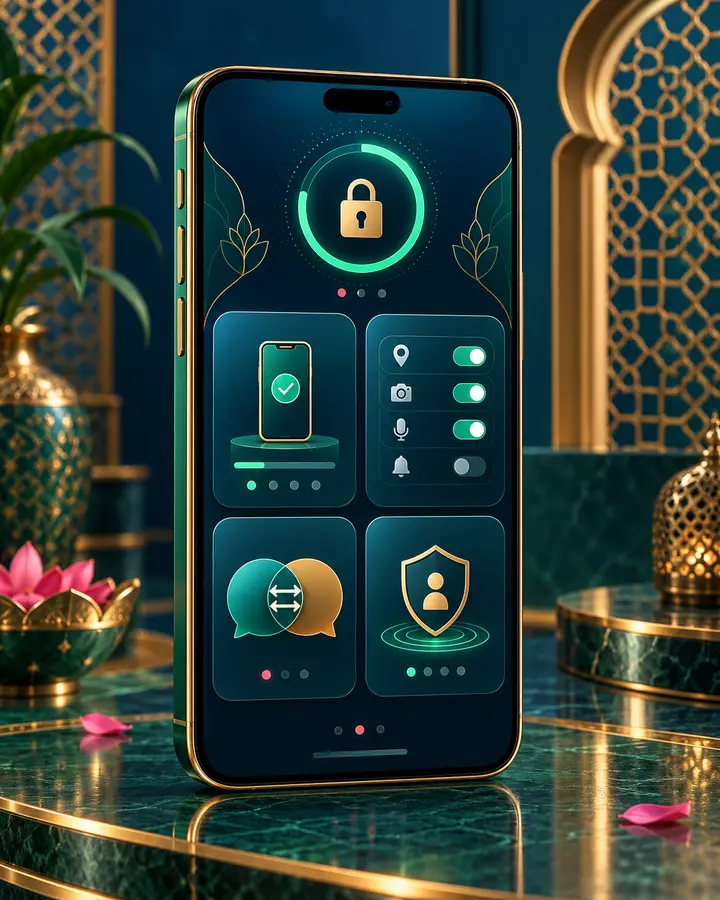
Mobile device showing an abstract DD1 App information interface
Mobile decisions without assumptions

App and mobile experience in India

Mobile access is often the first point of contact with DD1 App information, but the phone itself creates several layers that deserve attention. A browser page, an installed package, a shortcut added to the home screen and a message containing a link can look similar while having very different security implications. Start by identifying what you are actually opening. Check whether it is a normal web address, a downloaded Android package or an already installed application before following any instruction.

A safer device is not defined by a single setting. Keep Android or iOS updated, use a strong screen lock, review active sessions and avoid installing packages while connected through an unknown shared network. Notification previews can reveal OTPs or account messages on a locked screen, so consider hiding sensitive previews. If a device is shared with family or colleagues, sign out after use and do not allow a browser to save credentials without understanding who else can access them.

Permissions should match the feature being used. A service may reasonably need network access, but requests for contacts, call history, accessibility control or unrestricted storage should be examined carefully. Do not approve a permission merely because a screen creates urgency. If a permission does not make sense, stop and verify the source. You can usually review or revoke permissions later in device settings, and removing access you do not use reduces exposure.

The mobile experience also includes readability and control. Buttons should remain visible, Hindi text should not be clipped, the menu should open without horizontal dragging and important notices should not disappear behind a sticky header. This site is designed around those practical requirements, with a fixed top navigation, a tap-operated mobile drawer and a direct language switch that follows the current page rather than returning every visitor to the homepage.

  • Identify browser access, installed app and downloaded APK as different contexts.
  • Keep the device, browser and security components updated.
  • Review permissions by purpose and remove access that is not needed.
  • Protect sessions, notifications and saved passwords on shared devices.
Pause before installation

Download and APK safety checks

A file can be technically installable and still be a poor choice. The strongest protection is a repeatable process that does not depend on a promotional claim.

Secure download package and device permission checks

Begin with the source. A forwarded file, shortened address, copied advertisement or direct message does not become trustworthy because it uses a familiar logo. Check the complete address, inspect whether the connection is secure and be cautious when a page tells you to disable device protection. This independent site does not host an APK binary and does not invent a current version or file size. Those facts can change and must be confirmed at the actual source at the time of use.

Before installation, note the filename, the time it was obtained and any warning shown by the device. Compare the requested permissions with the purpose you expect. A package that demands access to messages, contacts, call records or accessibility services needs a clear reason; if one is missing, do not continue. After installation, look for unusual battery use, persistent overlays, unexpected notification access or a new device-administrator entry.

Updates need the same care as first installation. An unexpected message that says an immediate update is required may be designed to bypass your normal checking process. Return to the source you previously verified instead of following the new message. If the source cannot be confirmed, retain account access through a known channel and avoid entering credentials into the uncertain installation.

If you decide not to continue, delete the downloaded package, review the browser download list and confirm that no unknown application was installed. Removing the file is only one step; also check permissions and sessions if you opened it. These small actions matter because a risky package can affect more than a gaming account—it can expose messages, payment details and other services on the same device.

Credentials belong to you

Login, registration and account access

Access decisions are safer when identity, credentials, device state and recovery are considered together instead of as isolated steps.

Before login

Read the full address, check the connection, close unexpected pop-ups and verify that the page is the one you intended to visit. Do not use credentials after arriving through an unverified message. A password manager can help reveal when a domain differs from the one previously saved.

During registration

Review eligibility, privacy terms and the minimum information being requested. Use a unique password, keep recovery methods under your control and avoid uploading identity material until you understand why it is needed and who will process it. This website never collects registration data.

When access fails

Repeatedly submitting passwords or OTPs can create more risk. Pause, check the address, network and device clock, then use a verified recovery method. Anyone asking for an OTP, PIN or remote-screen access should be treated with caution, even if the message sounds urgent.

A safer account routine

Use one strong password that is not reused on email, banking or social accounts. Turn on available device protection, review active sessions and sign out of devices you no longer recognise. If a phone number or email address changes, update recovery information through a verified account area instead of replying to a message.

Account security continues after successful login. Watch for unfamiliar changes, unexpected withdrawal or payment prompts, altered language settings and notifications that you did not initiate. Save relevant records without sharing credentials, then use an independently confirmed support route if a genuine account issue requires attention.

Understand the context, not a promise

Games, lottery and online context

Names, categories and round formats can help people navigate, but none of them remove uncertainty or financial risk.

Abstract game tiles, lottery wheel and three number spheres

DD1 Game, DD1 Lottery and DD1 WinGo searches often combine several different intentions. One person may be looking for category information, another may want to understand a round timer, and someone else may be checking whether a mobile page behaves correctly. Treat these as separate questions. Category names describe how content is organised; they do not show a likely outcome, return rate or personal suitability.

Round-based experiences can create a sense of speed. A visible countdown may encourage a decision before there has been time to check the amount, session duration or previous loss. Use the countdown as timing information only. It should never replace a spending decision. If the urge to enter the next round is mainly a response to the timer, pause for at least one full cycle and reconsider.

Online access also changes the security context. Browser tabs, copied links, overlays and notification prompts may sit on top of the service being viewed. Keep the browser updated, close tabs you no longer need and avoid allowing notification access to an uncertain page. A secure-looking colour palette, lock graphic or copied brand name is not proof of identity.

This website does not publish an unsupported game count, RTP, jackpot, number of online users or guaranteed win rate. Those statements require reliable and current evidence. The useful information here is practical: how to navigate the topics, how to separate a reference from a result, how to protect an account and how to recognise when a session should end.

Consistent IST timing

Prediction references by IST round

Four real pages provide 1, 3, 5 and 10 minute reference windows. The navigation label is only a dropdown group; there is no empty Predictions parent page.

Three reference number spheres beside an IST timing ring

Every period is calculated from Asia/Kolkata time rather than the visitor’s device time zone. A visitor in Singapore, Europe or the United States therefore sees the same period identity as a visitor in India at the same moment. The page recalculates the current boundary each second, so a background tab, sleeping phone or throttled timer does not cause the countdown to continue from stale information.

The reference is deterministic. The current date, interval, round index and a stable project seed are combined to produce exactly three number balls, a colour reference, a big-or-small reference and a signal index from one to ten. Refreshing during the same period produces the same values. When the next IST period begins, the displayed period and locally derived reference update together.

A reference score is not an accuracy percentage, win probability or success rate. The page deliberately avoids a percent sign and explains the distinction beside the dashboard. The recent table is labelled Prediction Reference History because it reconstructs previous locally generated signals; it is not a draw record, winning history or official result feed.

No remote result request, hidden frame or fabricated endpoint is used. The module operates in the browser with one small JavaScript file shared by all four periods. That design improves consistency and reduces unnecessary network activity, but it does not make the reference predictive of an actual outcome. It remains a visual information tool with explicit limits.

Protect money and credentials together

Payments and account security

Transaction awareness begins before money moves and continues until records, sessions and recovery details have been reviewed.

Protected transaction records and account security controls

Set a personal budget before viewing a payment screen, not while reacting to a loss or countdown. A budget should protect essential expenses and should not include borrowed money. Decide the maximum amount, record it outside the gaming interface and stop when the boundary is reached. Promotions, urgency or a previous outcome should not change a limit that was set while calm.

Check the payee or destination, amount, currency and confirmation message. Keep a record that does not expose the full card number, PIN, OTP or bank password. A genuine support process should not require an OTP or remote access to your device. If someone asks you to install a screen-sharing application or move to a private messaging channel to “release” a payment, stop and verify independently.

Payment security and account security overlap. An attacker who gains email or phone access may reset a gaming password; an attacker who gains a gaming session may use stored payment methods. Protect the email account, phone SIM and device lock as carefully as the DD1 login credential. Review unfamiliar sessions and change reused passwords after any suspected exposure.

No payment method, processing time or withdrawal speed is asserted here because current evidence was not supplied. The Payments page therefore concentrates on records, verification, privacy and budget discipline. That neutral approach avoids turning a changing operational detail into a promise and gives visitors checks that remain useful across different devices and situations.

A repeatable decision process

Practical checks before you continue

Use this compact sequence whenever a page, file, account request or payment prompt asks you to act quickly.

Seven checks that travel with you

  • Read the complete address and identify whether you are in a browser, an installed app or a downloaded package.
  • Confirm the device, operating system and browser are updated before entering account information.
  • Never share a password, OTP, PIN, bank password or identity document through an uncertain contact.
  • Review permissions and decline access that does not match the feature being used.
  • Set a spending limit and time limit before a session begins; never increase them to recover a loss.
  • Separate locally generated prediction references from actual results and official data.
  • Stop when the address, request, pressure or behaviour does not match what you expected.
SituationCheck firstDo not provideSafer response
Login requestFull address and device statePassword or OTP to another personUse a verified account route
APK messageSource, permissions and warningAccessibility or admin control without reasonPause and verify independently
Payment promptAmount, destination and personal limitPIN, bank password or remote screen accessUse a trusted financial channel
Prediction signalIST period and reference labelAn assumption that it is an official resultTreat it only as a local reference
Time, budget and pause controls for responsible participation
Control matters more than continuity

Responsible participation and eligibility

Gaming can involve financial loss, and no design, pattern, reference or previous outcome removes that risk. Only adults aged 18 or over who meet the applicable eligibility conditions and local rules should consider participation. Laws, platform terms and availability can differ by state and can change. This website does not claim that real-money gaming is legal everywhere in India or that every visitor is eligible.

A limit works best when it is specific and decided in advance. Choose an amount that does not affect rent, food, education, health, debt payments or other essential needs. Choose a session length and use an independent alarm. When either limit is reached, stop. Do not treat a near miss, previous win, reference score or approaching round as a reason to extend the boundary.

Chasing losses is the attempt to recover money by continuing or increasing stakes. It can turn a planned session into an open-ended financial decision. Do not borrow, use emergency funds or move money from essential expenses to continue. A loss is not a debt owed by the next round, and the next outcome does not become more favourable because the previous one was disappointing.

Notice emotional and practical signals: irritability when interrupted, hiding activity, sleeping less, repeatedly checking the next round, neglecting work or relationships, or feeling unable to stop. These are reasons to pause, not to optimise a strategy. Step away, speak with a trusted person and consider suitable professional support. Self-exclusion or account limits may also be appropriate where a service offers them.

Responsible participation includes information security. Never use another person’s identity or payment method, never share account credentials and never allow someone to control your screen. Keep children away from account access and payment details. If the activity no longer feels voluntary, affordable or transparent, stopping is the correct decision.


Direct answers, clear limits

Frequently asked questions

These answers repeat the most important identity, privacy, reference and eligibility boundaries in a compact form.

Is this the official DD1 App website?

No. This is an independent information website. It does not operate DD1 App, manage user accounts or provide official customer support.

What information is available here?

The site covers mobile access, download and APK checks, login and registration awareness, games, payment safety, prediction references and responsible participation.

Are the prediction numbers official results?

No. The three numbers are deterministic reference signals generated locally for the displayed IST period. They are not official results or a promise of any outcome.

Does this website collect an account password or OTP?

No. Never send a third-party password, OTP, PIN, bank password or identity document through this independent website.

Who should use real-money gaming services?

Only adults aged 18 or over who meet the applicable eligibility requirements and local rules should consider such services, and financial limits remain essential.

Independent website notice

This site publishes independently prepared information about topics connected with DD1 App. It is not the official website, operator, account manager, payment processor, registration centre or customer-support service for the brand. External services are separately operated and can change their terms, availability and identity checks without notice from this site.

Information may become outdated, and visitors remain responsible for checking the current source, their eligibility, local law and personal limits. Nothing on this site is a promise of access, legal status, profit, accuracy or a particular result. If any external page asks for information or permissions that do not match your expectation, leave it and verify through a trusted route.